
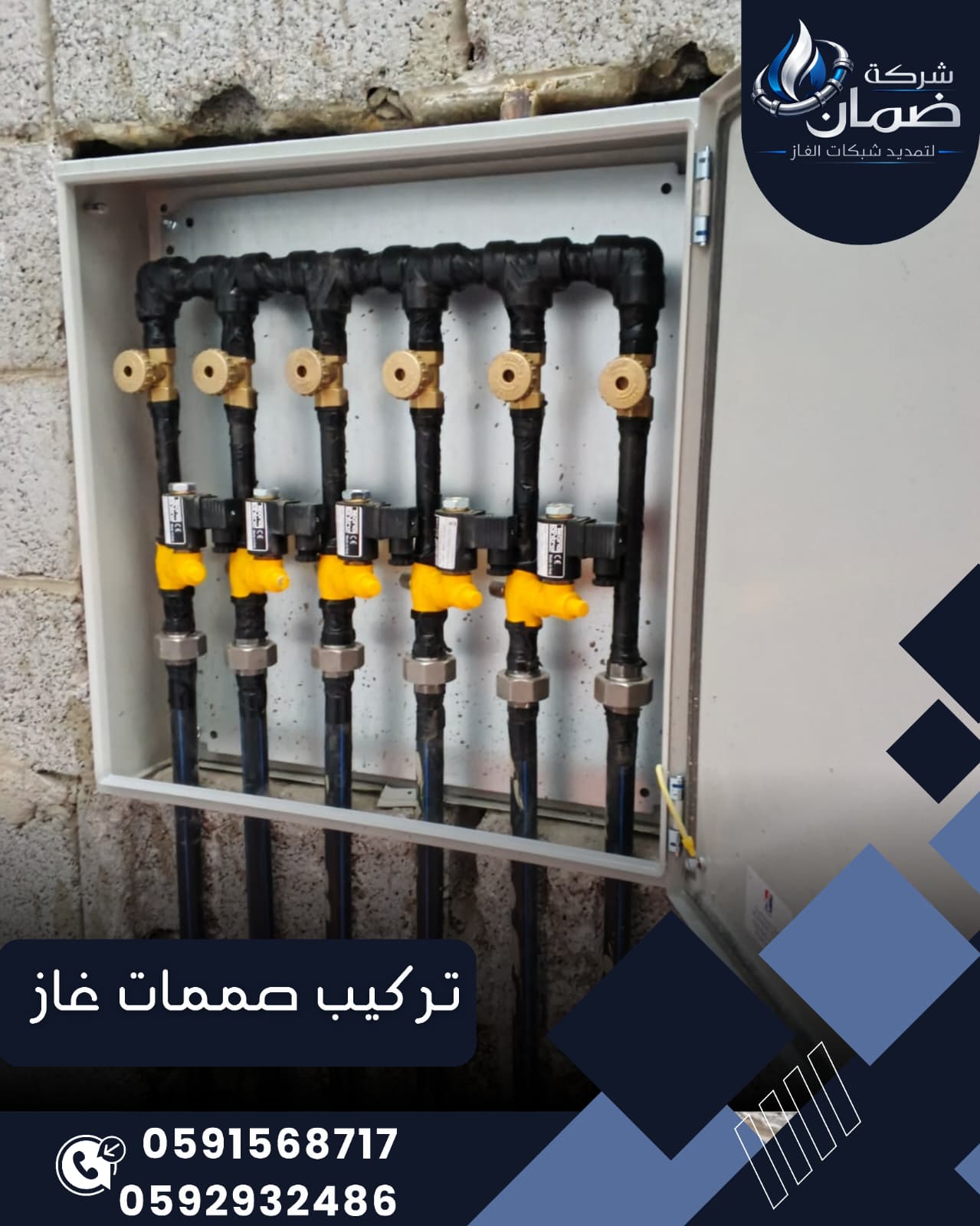
Gas valves and safety valves are among the most important components of any residential or commercial gas distribution system because they represent the first line of defense against gas leaks, abnormal pressure conditions, and unexpected operational failures. While many homeowners focus primarily on selecting gas tanks or pressure regulators, the overall reliability and safety of a gas network depend heavily on the type of valve installed, the quality of its construction, and its compatibility with the entire gas system. Based on extensive practical experience in designing, installing, and maintaining gas networks throughout Saudi Arabia, selecting the appropriate safety valve from the very beginning significantly reduces operational failures, improves long-term system reliability, extends the service life of the entire gas installation, and provides continuous protection for both people and property. For this reason, choosing a gas valve should always be considered an important engineering decision rather than simply purchasing another system component.
Best Gas Safety Valve
There is no single gas safety valve that can be considered the ideal solution for every installation because the correct choice depends on the design of the gas network, operating pressure, building type, number of connected gas appliances, and expected daily gas consumption. Selecting the appropriate safety valve therefore begins with a complete engineering evaluation of the entire gas system before determining which valve can provide the highest level of protection without negatively affecting stable gas flow during normal operation.
Based on extensive practical experience in commercial and residential gas projects, certified safety valves are distinguished by their rapid response during abnormal operating conditions and their ability to maintain reliable performance over many years of continuous service. They should be manufactured using corrosion-resistant materials, comply with recognized engineering standards, and carry official certification confirming full compliance with Saudi technical requirements. Installing low-quality valves may substantially increase the likelihood of operational failures even when every other component within the gas network meets approved engineering specifications.
Engineers must also consider future maintenance requirements when selecting safety valves. The valve should allow convenient inspection, testing, servicing, and replacement whenever necessary without requiring major modifications to the remainder of the gas distribution system. Compatibility with pressure regulators, gas tanks, pipelines, and other system components is equally important because every element must operate together to maintain stable gas pressure and reliable overall performance.
Real-world engineering experience consistently demonstrates that investing in a certified, high-quality gas safety valve during the original installation provides significantly greater operational reliability, reduces emergency maintenance requirements, and delivers continuous protection for both building occupants and the entire gas distribution network.
• Select the valve according to actual operating pressure.
• Verify official engineering certification before purchase.
• Choose corrosion-resistant materials designed for long-term service.
• Consider future inspection and replacement accessibility.
• Ensure complete compatibility with every component of the gas network.
Gas Safety Valve Installation
Installing a gas safety valve is a highly specialized engineering procedure that should always be performed by qualified technicians because improper positioning or incorrect installation methods may prevent the valve from performing its protective function whenever an emergency occurs. The installation process therefore begins with a complete review of the engineering design in order to identify the location where the valve can provide maximum protection while maintaining uninterrupted gas flow during normal operation.
Based on extensive practical experience, engineers position the valve where it remains easily accessible for future inspection and maintenance while carefully following the gas flow direction specified by the manufacturer. Every threaded connection is assembled using approved sealing materials before the valve is subjected to operational testing that confirms both rapid response capability and complete leak-free performance throughout the installation.
The installation process also includes verifying full compatibility between the valve and the system's operating pressure before testing the entire gas network after installation has been completed. Engineers confirm that every component functions together correctly without pressure instability, restricted gas flow, or delayed operation of any protective device.
Practical engineering experience consistently demonstrates that professionally installed gas safety valves significantly improve the overall safety of residential and commercial gas systems while ensuring dependable long-term performance under a wide range of operating conditions.
• Install the valve at the correct engineering location.
• Follow the manufacturer's specified gas flow direction.
• Test valve performance immediately after installation.
• Inspect every connection for possible leakage.
• Verify compatibility with actual operating pressure.
Automatic Gas Shut-Off Valve
An automatic gas shut-off valve represents one of the most important modern safety devices used in residential and commercial gas systems because it immediately stops gas flow whenever abnormal operating conditions such as gas leaks, pressure loss, or emergency signals from connected gas detection systems are detected. This rapid automatic response dramatically reduces emergency reaction time while preventing minor gas problems from developing into serious accidents.
Based on extensive engineering experience, automatic shut-off valves provide their highest level of protection when integrated directly with gas leak detection systems and emergency alarm equipment. Whenever gas detectors identify abnormal gas concentrations, they immediately transmit an electrical signal that closes the automatic shut-off valve while simultaneously activating the alarm system to warn building occupants of the emergency situation.
These valves should also undergo scheduled testing as part of every preventive maintenance program to verify rapid response performance while ensuring that neither mechanical nor electrical problems interfere with proper operation during emergency conditions. Engineering best practices recommend incorporating automatic shut-off valves into the overall preventive maintenance schedule for the complete gas distribution system rather than treating them as isolated components.
Real-world engineering projects consistently demonstrate that automatic gas shut-off valves have significantly reduced gas-related accidents in homes, restaurants, and commercial facilities, particularly when integrated into complete gas safety systems.
• Connect automatic shut-off valves directly to gas leak detectors.
• Test response speed during scheduled inspections.
• Integrate shut-off valves with alarm and safety systems.
• Include automatic valves within preventive maintenance programs.
• Install only certified equipment that complies with approved engineering standards.
Gas Safety Valve Price
The price of a gas safety valve varies depending on its type, operating capacity, manufacturing materials, and built-in safety technology, making it impossible to assign a single standard price suitable for every application. Some valves are specifically designed for residential gas systems, while others are engineered for villas, restaurants, commercial facilities, and industrial installations that require higher operating pressures and continuous service. For this reason, purchasing decisions should always be based on the valve's technical specifications and level of protection rather than simply comparing initial prices.
Based on extensive practical experience, some property owners choose lower-priced valves to reduce project costs. However, this decision often results in greater long-term expenses because lower-quality valves may experience frequent failures, require premature replacement, or provide reduced operational reliability. In contrast, certified safety valves deliver stable performance, significantly reduce maintenance requirements, and extend the operational life of the entire gas distribution system, making them a far more economical investment over time.
Installation and inspection costs should also be considered as part of the total project budget because professional installation is just as important as the quality of the valve itself. The complete project cost frequently includes engineering inspections, installation, operational testing, and verification that the valve is fully compatible with the gas pressure, pressure regulator, and storage tank, ensuring that the entire system performs safely from the first day of operation.
Real-world engineering experience consistently demonstrates that investing in a high-quality certified safety valve provides superior protection, lowers long-term maintenance costs, and offers greater peace of mind throughout the operational life of the gas system.
• Valve prices vary according to technical specifications and operating capacity.
• Never select a valve based solely on purchase price.
• Include installation and inspection costs within the project budget.
• Choose certified valves designed for long-term operational reliability.
• Compare engineering value rather than initial cost alone.
Replacing an Old Gas Valve
A gas valve is not designed to remain in service indefinitely because years of continuous operation, environmental exposure, and repeated use gradually reduce its operational efficiency. Replacing an aging gas valve at the appropriate time is therefore an important preventive measure that protects the entire gas system while reducing the likelihood of unexpected operational failures. The replacement decision should always be based on a professional engineering inspection that accurately evaluates the condition of the existing valve and determines whether it continues to perform its intended safety function effectively.
Based on extensive practical experience, replacement becomes necessary whenever the valve becomes difficult to operate, develops gas leakage, loses its sealing capability, exhibits signs of corrosion or deterioration, or reaches the end of its manufacturer-recommended service life. Replacement is also recommended whenever major modifications are made to the gas distribution network or when system capacity is increased significantly.
The replacement process should always be performed by qualified specialists who safely isolate the gas supply before removing the existing valve. Once the new valve has been installed, every connection must be carefully inspected, followed by complete pressure testing and leak detection to verify that the entire gas network remains fully operational and safe before gas service is restored.
Real-world engineering experience consistently confirms that replacing aging gas valves before complete failure significantly reduces emergency maintenance, improves operational reliability, and enhances the overall safety of residential and commercial gas systems.
• Inspect existing valves before deciding on replacement.
• Replace valves immediately when signs of deterioration appear.
• Install certified replacement valves that comply with engineering standards.
• Test the complete gas network immediately after replacement.
• Ensure all replacement work is performed by qualified specialists.
Types of Residential Gas Valves
Residential gas systems utilize several different types of gas valves, each designed to perform a specific engineering function within the gas distribution network. Selecting the appropriate valve therefore depends upon the intended purpose of the installation rather than relying on a single universal solution. Residential systems commonly include manual shut-off valves used during maintenance, automatic shut-off valves activated during emergency conditions, pressure regulating valves that stabilize gas flow, and safety relief valves designed to protect the network from abnormal pressure increases.
Based on extensive engineering experience, combining multiple valve types within one gas system provides substantially greater protection than relying upon a single valve alone. Manual valves allow technicians to isolate sections of the network during maintenance, automatic valves respond immediately to signals from gas detection systems, while pressure regulating valves ensure stable gas delivery to every connected appliance regardless of demand fluctuations.
These valves also differ in flow capacity, operating pressure, installation methods, and manufacturing materials. Consequently, proper valve selection should always be based upon a comprehensive engineering evaluation of the entire gas network rather than focusing only on the appliance being supplied.
Practical engineering experience consistently demonstrates that installing the correct valve in the correct location improves gas system efficiency, reduces operational failures, and provides additional protection for every component within the distribution network.
• Select each valve according to its intended engineering function.
• Use only certified valves that comply with approved standards.
• Combine manual and automatic valves whenever appropriate.
• Consider operating pressure and flow capacity during selection.
• Install every valve according to the approved engineering design.
Gas Valve Maintenance
Gas valve maintenance represents an essential component of every preventive maintenance program because it ensures that safety valves continue operating efficiently and respond immediately whenever protection is required. Maintenance procedures include visual inspections, mechanical operation testing, leak detection, verification of opening and closing performance, and cleaning components that may be affected by dust or environmental contaminants over time.
Based on extensive practical experience, every gas valve should undergo scheduled inspection, particularly in continuously operating facilities such as restaurants, hotels, and commercial kitchens. Automatic shut-off valves should also be tested together with connected gas detection systems to verify immediate response whenever emergency shutdown signals are received.
Routine maintenance helps identify minor issues before they develop into serious operational failures capable of affecting the safety of the entire gas network. It also reduces the need for premature valve replacement while extending the operational life of critical safety components throughout the gas distribution system.
Real-world engineering projects consistently demonstrate that structured preventive maintenance programs represent one of the most effective methods for preserving gas network safety while ensuring reliable long-term valve performance.
• Perform scheduled inspections for every installed valve.
• Test opening and closing performance regularly.
• Verify that no gas leakage is present.
• Clean valves whenever necessary.
• Include every valve within the preventive maintenance schedule.
Gas Network Protection Valve
A gas network protection valve is one of the most important components for improving the overall safety of a gas distribution system because it provides an additional layer of protection against abnormal pressure conditions, unexpected operational failures, and gas leaks that could threaten both occupants and property. Its function extends far beyond simply stopping the flow of gas. It helps maintain stable operation throughout the entire network, prevents faults from spreading between different sections of the system, and supports the reliable performance of every connected component. For this reason, gas network protection valves have become an essential part of modern gas system designs for homes, villas, restaurants, commercial facilities, and industrial buildings.
Based on extensive engineering experience throughout Saudi Arabia, selecting the proper location for a gas protection valve requires a detailed engineering assessment to ensure maximum effectiveness whenever abnormal operating conditions occur while still allowing easy access for inspection and maintenance. Engineers also determine the appropriate operating pressure, flow capacity, and valve specifications according to the characteristics of the complete gas distribution system rather than focusing on a single appliance or section of piping.
Gas network protection valves are commonly integrated with pressure regulators, gas leak detection systems, and automatic shut-off valves to create a fully coordinated safety system. Whenever an abnormal condition is detected, these components work together simultaneously to isolate the gas supply, maintain system stability, and provide sufficient response time before a minor issue develops into a serious emergency.
Real-world engineering experience consistently demonstrates that gas distribution systems equipped with certified protection valves provide significantly higher safety levels, experience fewer operational failures, and simplify inspection and maintenance compared with installations that lack comprehensive protective equipment.
• Install a protection valve appropriate for the characteristics of the gas network.
• Select operating pressure and flow capacity that match the complete system.
• Integrate the valve with gas leak detection equipment.
• Ensure convenient access for inspection and maintenance.
• Perform scheduled testing to verify proper operation.
Best Gas Valve for the Kitchen
The best gas valve for a kitchen depends on the design of the gas system, the number of connected appliances, and the daily operating requirements rather than the manufacturer's brand name alone. An appropriate kitchen gas valve should provide smooth operation, rapid shut-off capability, excellent corrosion resistance, and dependable long-term performance without deterioration under continuous daily use.
Based on extensive practical experience, residential kitchens require gas valves with specifications that differ from those used in commercial kitchens because operating loads, gas consumption, and daily usage patterns vary considerably. Engineers therefore evaluate operating pressure, appliance demand, and overall system configuration before selecting the valve that best satisfies the specific requirements of each installation.
The valve should also remain easily accessible for routine inspection, maintenance, and emergency shut-off whenever necessary. Correct positioning improves safety while making future servicing significantly easier. Proper valve selection also contributes to more stable gas pressure throughout the kitchen and improves the reliability of connected appliances.
Practical engineering experience consistently demonstrates that installing certified kitchen gas valves manufactured according to approved engineering standards substantially improves the safety, efficiency, and reliability of residential gas systems while providing homeowners with greater confidence during everyday operation.
• Select the valve according to the kitchen's operational requirements.
• Install only certified products that comply with engineering standards.
• Position the valve where it remains easily accessible.
• Consider future maintenance and inspection requirements.
• Verify compatibility with the operating pressure of the gas system.
Gas Valve Installation Company
Selecting a specialized gas valve installation company is essential for ensuring that every component is installed according to the highest engineering and safety standards because improper installation may prevent the valve from performing its protective function during an emergency. Professional engineering companies begin by evaluating the complete gas network, selecting the appropriate valve type, and determining the optimal installation location according to the approved engineering design.
Based on extensive practical experience, qualified engineers first conduct a comprehensive site inspection and review every component within the gas distribution system before determining the proper placement of each valve to maximize protection throughout the network. Once installation has been completed, the company performs pressure testing, electronic leak detection, and complete operational testing to verify that every valve and protective device functions together safely and efficiently.
Professional companies also provide scheduled inspections, preventive maintenance, replacement of aging valves, and upgrades to gas safety systems whenever network expansions or equipment modifications are performed. These ongoing engineering services ensure that the gas system continues operating safely while maintaining the highest standards of reliability throughout its operational life.
Real-world engineering experience consistently demonstrates that engaging a specialized engineering company from the beginning of the project significantly reduces installation errors, extends the service life of gas system components, and greatly improves the overall reliability of the gas distribution network.
• Perform every installation through qualified engineering specialists.
• Select appropriate valves based on a complete engineering assessment.
• Conduct full operational testing after installation.
• Provide preventive maintenance and scheduled inspections.
• Maintain full compliance with Saudi engineering and safety standards.
Why Is Guarantee Gas the Best Gas Installation Company in Saudi Arabia?
Guarantee Gas Company is recognized as one of Saudi Arabia's leading specialists in the design, installation, and maintenance of residential, commercial, and industrial gas systems. The company possesses extensive engineering experience in selecting and installing every type of gas valve and safety valve according to the operational requirements of each individual project, whether for homes, villas, restaurants, commercial facilities, or industrial applications. Every project begins with a detailed engineering assessment that determines the appropriate valve type, installation location, and integration with every other component of the gas distribution network.
The company employs experienced engineers and certified technicians who supervise every stage of the project, beginning with engineering surveys and system design, followed by installation, pressure testing, electronic leak detection, operational testing, and complete verification of every safety device before commissioning. All products installed by the company comply fully with Saudi engineering specifications and recognized international quality standards.
Guarantee Gas provides far more than installation services alone. Its engineering support includes preventive maintenance programs, scheduled inspections, replacement of aging safety valves, modernization of gas protection systems, and technical consultations whenever network expansion or system upgrades become necessary. These services ensure long-term operational safety while maintaining the highest level of system reliability.
Years of engineering excellence, exceptional workmanship, strict compliance with Saudi regulations, and long-term customer support have established Guarantee Gas as one of the most trusted names in professional gas installation projects throughout Saudi Arabia.
• Conduct comprehensive engineering studies before valve selection.
• Install safety equipment according to the highest engineering standards.
• Perform pressure testing, leak detection, and operational commissioning before handover.
• Provide preventive maintenance and continuous technical support.
• Maintain complete compliance with Saudi engineering specifications and safety regulations.
Conclusion
Gas valves and safety valves are among the most critical components within any gas distribution system because they protect both people and property while maintaining reliable network operation under normal and emergency conditions. Achieving the highest level of protection begins with selecting the correct valve, followed by professional installation, scheduled inspections, and continuous preventive maintenance throughout the operational life of the gas system. When every stage is carried out by an experienced engineering company such as Guarantee Gas, customers receive a complete gas installation that combines engineering excellence, long-term reliability, operational efficiency, and full compliance with Saudi safety standards.
Frequently Asked Questions
What is the best gas safety valve?
The most suitable safety valve depends on the gas system design, operating pressure, and intended application. A professional engineering assessment is required to determine the correct solution.
Should I install an automatic gas shut-off valve?
Yes. Automatic shut-off valves significantly improve safety by immediately stopping the gas supply whenever leaks or abnormal operating conditions are detected.
When should an old gas valve be replaced?
Replacement is recommended whenever the valve shows signs of wear, corrosion, leakage, reduced operating performance, reaches the end of its service life, or whenever major modifications are made to the gas network.
Do gas valves require routine maintenance?
Yes. Regular inspection and preventive maintenance ensure rapid response, reliable operation, and long-term safety performance.
Are there different types of residential gas valves?
Yes. Residential gas systems commonly include manual shut-off valves, automatic shut-off valves, pressure regulating valves, and safety relief valves. Each performs a different engineering function within the gas network.
Can I install a gas valve without a specialist?
No. Improper installation may prevent the valve from functioning correctly during emergency conditions and may compromise the safety of the entire gas system.
Why should I choose Guarantee Gas Company?
Guarantee Gas provides complete engineering design, professional valve selection, expert installation, certified testing, scheduled preventive maintenance, and continuous technical support while maintaining full compliance with Saudi engineering standards, ensuring maximum safety and long-term reliability.