
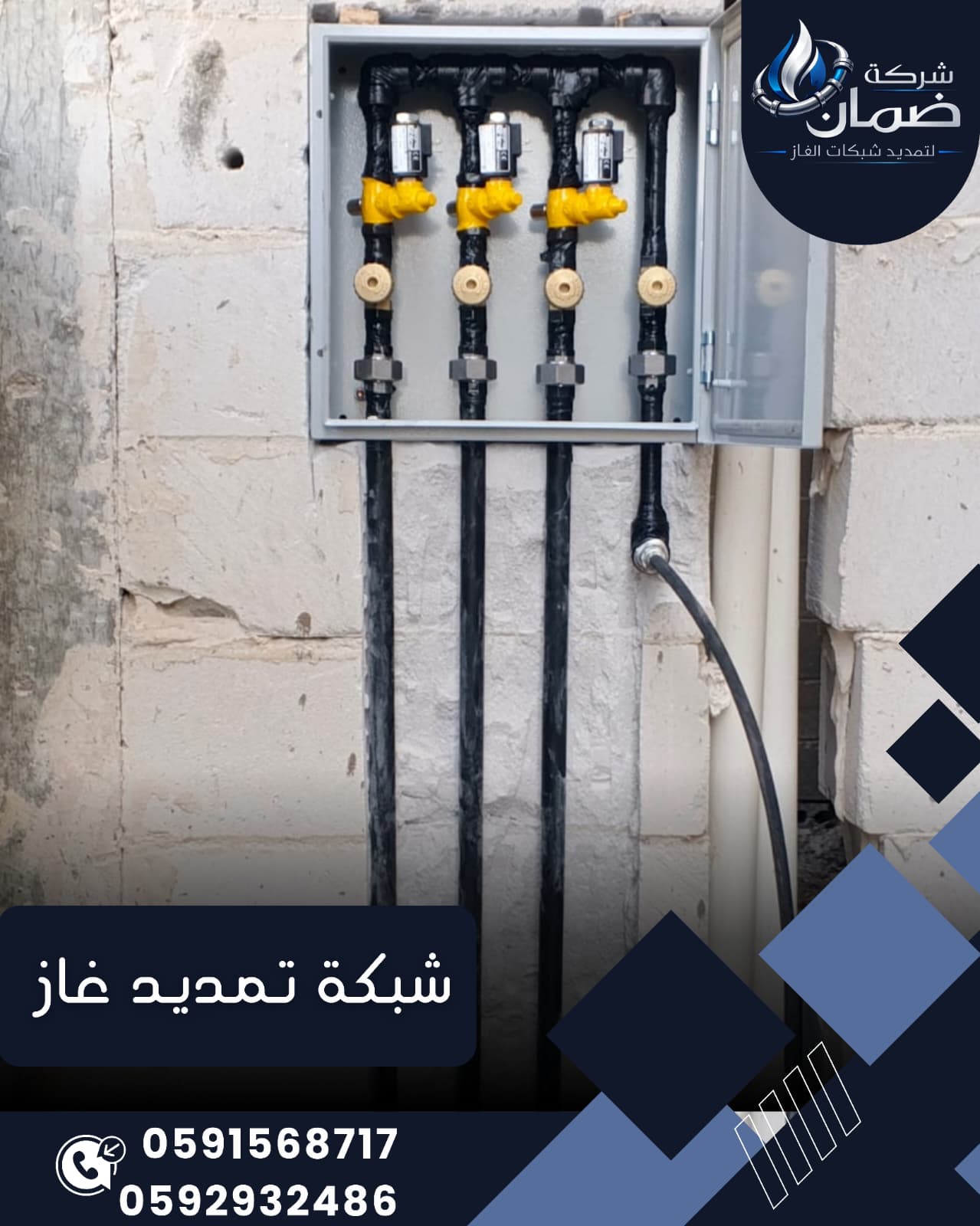
Commercial kitchen gas safety is one of the most important factors determining the success of any restaurant or food service facility in Saudi Arabia because it directly protects lives, preserves valuable assets, and ensures uninterrupted daily operations. Safety cannot be achieved simply by installing a gas network. Instead, it begins with professional engineering design, continues through the selection of certified materials and equipment, and extends to regular inspections and preventive maintenance throughout the system's operational life. Based on extensive practical experience in designing and installing commercial gas networks, projects that prioritize safety from the earliest planning stages consistently experience fewer operational failures, higher efficiency, smoother regulatory approvals, and a significantly safer working environment for employees and customers alike.
Gas Network Safety Requirements
Gas network safety requirements provide the engineering foundation upon which every commercial kitchen gas system is designed, installed, and operated. These requirements extend far beyond selecting approved pipes or pressure regulators. They include calculating gas loads, determining safe pipeline routes, selecting appropriate regulator locations, installing safety devices, positioning automatic shut-off valves, and ensuring that every component functions together as part of one integrated safety system designed to provide maximum operational protection.
Based on extensive experience with commercial restaurant projects, following approved engineering safety requirements from the earliest design stage prevents many operational problems that often appear after commissioning. Proper planning helps eliminate pressure instability, simplifies future maintenance work, prevents hazardous installations near heat sources, and ensures that isolation valves and inspection points remain easily accessible without requiring major modifications inside the kitchen.
Safety compliance also extends beyond construction. Every section of the gas network must undergo pressure testing and electronic leak detection after each installation phase. Test results should be fully documented to verify that the complete gas system complies with all applicable engineering standards before commercial operation begins.
Real-world engineering experience consistently demonstrates that gas networks installed according to approved safety standards achieve longer service life, significantly fewer operational failures, and much higher safety levels throughout daily restaurant operations.
• Follow engineering design requirements before installation begins.
• Use certified materials and approved safety components.
• Perform pressure and leak testing on every section of the network.
• Document all inspection and testing procedures.
• Ensure easy access to valves and maintenance points.
Commercial Kitchen Safety Systems
Modern commercial kitchens rely on a fully integrated collection of safety systems that work together to protect both personnel and facilities from gas-related hazards. These systems include gas leak detectors, early warning alarms, automatic shut-off valves, fire suppression systems, ventilation equipment, and continuous employee safety training. Together they create multiple layers of protection that significantly reduce operational risks.
Based on practical engineering experience, installing these devices alone is not sufficient unless they are positioned correctly and properly integrated with the gas network. Gas detection systems continuously monitor the environment for leaks, while automatic shut-off valves immediately stop gas flow whenever dangerous concentrations are detected. This coordinated response greatly reduces the possibility that a minor gas leak will develop into a serious emergency.
Proper ventilation also plays an essential role in maintaining safe working conditions by preventing gas accumulation and continuously removing heat and airborne contaminants generated during daily kitchen operations. Every safety device should undergo scheduled testing to ensure reliable operation under real emergency conditions.
Practical field experience consistently confirms that combining multiple safety systems into one coordinated protection network provides significantly greater security than relying on individual safety devices operating independently.
• Install gas detection systems in carefully selected locations.
• Integrate alarms with automatic gas shut-off valves.
• Maintain effective ventilation throughout the commercial kitchen.
• Test every safety device on a scheduled basis.
• Train all personnel on emergency safety procedures.
Protecting Commercial Kitchens from Gas Leaks
Preventing gas leaks represents the primary objective of every commercial kitchen gas network because early leak detection dramatically reduces the possibility of serious accidents. For this reason, professional gas systems are constructed using certified materials, high-quality fittings, reliable valves, and thoroughly tested pipe connections that undergo comprehensive inspection before commissioning.
Extensive practical experience demonstrates that effective leak prevention begins with engineering design, continues through professional installation, and depends on continuous preventive maintenance throughout the system's operational life. Even the highest-quality gas network requires periodic inspections to verify that pipelines, valves, and fittings remain free from corrosion, deterioration, or damage caused by demanding commercial operating conditions.
Commercial kitchens should also install approved gas detection systems connected directly to fire alarm systems and automatic gas shut-off valves. This integrated safety approach immediately isolates the gas supply whenever a leak is detected, providing valuable response time before the situation becomes dangerous.
Real-world engineering projects consistently demonstrate that facilities equipped with integrated gas detection systems and preventive maintenance programs experience substantially fewer gas-related incidents while maintaining significantly higher operational safety standards.
• Install certified gas systems using approved construction materials.
• Equip commercial kitchens with professional gas leak detectors.
• Connect detection systems to automatic shut-off valves.
• Perform regular inspections of every gas connection.
• Correct any identified deficiencies immediately before operation continues.
Gas Safety Systems for Restaurants
Restaurant gas safety systems are designed around the principle of preventing hazards before they occur. Rather than relying on a single protective device, these systems consist of an integrated network of pressure regulators, manual and automatic shut-off valves, gas leak detectors, alarm control panels, emergency gas isolation systems connected to fire suppression equipment, and properly engineered ventilation systems that prevent gas accumulation within commercial kitchens. When these components operate together as one coordinated safety system, they significantly reduce operational risks while improving emergency response capabilities.
Based on extensive experience in designing and installing restaurant gas systems, selecting the appropriate safety equipment requires a detailed engineering assessment that considers kitchen size, the number of cooking appliances, operational hours, and the specific nature of the restaurant's activities. Safety devices must be strategically positioned in areas presenting the highest level of risk rather than being installed randomly throughout the facility. Proper placement ensures maximum effectiveness whenever an emergency situation occurs.
These systems do far more than protect the facility from potential accidents. They also help maintain stable gas pressure, reduce operational interruptions, simplify preventive maintenance procedures, and provide complete documentation of every inspection and operational test performed throughout the life of the gas network.
Real-world engineering experience consistently demonstrates that restaurants operating with fully integrated gas safety systems experience significantly higher levels of operational reliability while greatly reducing the likelihood of unexpected gas-related incidents.
• Install a complete integrated safety system instead of individual standalone devices.
• Connect gas detection equipment directly to automatic shut-off valves.
• Select safety equipment according to the operational characteristics of each kitchen.
• Test every safety component on a scheduled basis.
• Replace aging safety devices before they reach the end of their service life.
Commercial Gas Network Inspection
Routine inspection of commercial gas networks represents one of the most important preventive procedures for maintaining safe restaurant and central kitchen operations. Continuous daily operation places stress on valves, pressure regulators, fittings, and other gas system components that may gradually affect performance over time. Regular inspections identify developing issues before they become serious operational failures or safety hazards.
Based on practical engineering experience, the inspection process begins with a comprehensive visual evaluation of the entire gas system, followed by operating pressure measurements, regulator performance testing, inspection of every valve and connection using certified electronic leak detection equipment, and verification that all pipeline supports remain secure and free from corrosion, vibration damage, or environmental deterioration.
The inspection also includes testing gas detection devices, alarm systems, automatic shut-off valves, and their integration with fire protection equipment to ensure that every component responds correctly during emergency conditions. All inspection findings are documented in detailed technical reports that provide a complete maintenance history while supporting future engineering decisions.
Practical project experience consistently demonstrates that scheduled preventive inspections reduce repair costs, extend the service life of commercial gas systems, and ensure that restaurants continue operating safely and efficiently throughout the year.
• Measure operating gas pressure accurately.
• Inspect every valve, fitting, and connection.
• Test gas leak detection and alarm systems.
• Examine pipeline condition and support structures.
• Prepare comprehensive engineering reports after every inspection.
Safe Gas Operation Requirements
Safe operation of commercial gas systems depends not only on professional installation but also on clearly defined operating procedures followed by every employee on a daily basis. These procedures include inspecting cooking appliances before operation, monitoring gas pressure during use, responding immediately to unusual odors or abnormal conditions, and shutting down equipment whenever a gas leak is suspected until the complete system has been professionally inspected.
Based on extensive experience in commercial kitchen operations, employee training forms an essential part of every gas safety program because rapid and appropriate responses to abnormal conditions greatly reduce the likelihood of serious incidents. Clear operating instructions and emergency evacuation procedures should remain visible throughout the facility, while staff members should receive regular practical training on emergency response procedures.
Restaurant management should also review operational procedures periodically to ensure continued compliance while updating safety instructions whenever new cooking equipment is installed or modifications are made to the gas network. This ongoing review process helps maintain consistently high safety standards despite changing operational conditions.
Real-world operational experience consistently demonstrates that restaurants implementing clearly documented operating procedures together with regular employee training achieve significantly better safety performance and experience fewer operational incidents.
• Follow approved gas operating procedures at all times.
• Train every employee in emergency safety practices.
• Immediately stop operation whenever a gas leak is suspected.
• Review operational procedures on a scheduled basis.
• Update safety instructions whenever the gas system changes.
Gas Leak Detection Systems for Restaurants
Gas leak detection systems are among the most important modern safety technologies used in commercial kitchens because they provide immediate warning before gas concentrations reach dangerous levels. These systems utilize highly sensitive electronic sensors that continuously monitor the surrounding atmosphere. Whenever gas is detected, the system activates audible and visual alarms and can also be connected directly to automatic shut-off valves that immediately stop gas flow throughout the network.
Based on extensive engineering experience, gas detection equipment should be selected according to the type of gas used, kitchen size, appliance layout, and airflow characteristics within the facility. Detectors must be installed at carefully calculated locations that maximize early leak detection performance. Regular calibration, operational testing, and replacement of aging sensors are equally important to maintain long-term reliability.
Integrating gas detection equipment with fire alarm systems and automatic fire suppression equipment dramatically improves overall protection by allowing every safety system to respond simultaneously whenever a leak is detected. This coordinated response minimizes reaction time while significantly improving protection for employees, customers, equipment, and the entire facility.
Practical engineering experience consistently confirms that certified gas leak detection systems combined with regular preventive maintenance represent one of the most effective methods for minimizing gas leak risks in restaurants and commercial kitchens.
• Install certified gas detection systems throughout commercial kitchens.
• Connect leak detectors directly to automatic shut-off systems.
• Select detector locations according to engineering calculations.
• Test and calibrate detection equipment regularly.
• Replace sensors at the end of their recommended service life.
Commercial Gas Network Maintenance
Preventive maintenance of commercial gas networks is one of the most important elements in preserving operational safety and ensuring reliable performance throughout the entire life of the system. Regardless of how professionally a gas network is designed and installed, every component requires continuous monitoring to verify that it remains in excellent operating condition. Daily restaurant operations place constant stress on pressure regulators, valves, fittings, pipelines, and protective equipment. Without scheduled maintenance, minor issues may gradually develop into significant operational failures or serious safety hazards. Preventive maintenance is therefore intended not only to repair existing problems but also to prevent them from occurring in the first place.
Based on extensive experience in maintaining restaurant gas systems, professional maintenance programs begin by verifying operating pressure throughout the network before inspecting every valve, fitting, pressure regulator, gas detector, and automatic shut-off device. Technicians also examine all protective components, clean equipment whenever necessary, and replace parts that have reached the end of their recommended service life before they create operational problems or compromise system safety.
Maintenance procedures also include inspecting pipeline supports, confirming that piping has not been affected by corrosion, excessive heat, vibration, or moisture, and performing comprehensive pressure testing and electronic leak detection throughout the entire gas network. Every maintenance visit is documented through detailed engineering reports that provide restaurant owners with a complete maintenance history and allow engineers to develop long-term preventive maintenance schedules.
Real-world engineering experience consistently demonstrates that restaurants operating under structured preventive maintenance programs experience significantly fewer unexpected failures, lower emergency repair costs, and substantially greater long-term reliability throughout their commercial gas systems.
• Follow a scheduled preventive maintenance program throughout the year.
• Inspect every valve, fitting, and pressure regulator regularly.
• Test gas detection systems and automatic shut-off equipment.
• Replace worn components before operational failure occurs.
• Document every maintenance procedure in detailed engineering reports.
Preventing Kitchen Fires
Preventing fires in commercial kitchens begins long before cooking equipment is switched on because effective fire prevention depends upon a fully integrated approach that combines professionally engineered gas systems, efficient ventilation, fire suppression equipment, preventive maintenance, and consistent employee safety practices. When every preventive measure is implemented correctly, the likelihood of fire incidents is dramatically reduced, even in kitchens operating continuously throughout the day.
Based on practical engineering experience, grease accumulation inside kitchen exhaust systems, neglected cooking equipment maintenance, and failure to inspect commercial gas networks regularly are among the most common factors contributing to kitchen fires. Consequently, routine cleaning of exhaust ducts, scheduled inspection of cooking appliances, regular testing of fire suppression systems, and preventive maintenance of gas installations all represent essential components of an effective fire prevention strategy.
Restaurant employees should also receive continuous practical training covering gas leak response procedures, emergency shutdown methods, fire extinguisher operation, evacuation plans, and communication during emergency situations. Regular emergency drills improve staff readiness, reduce response times, and significantly minimize potential property damage whenever unexpected incidents occur.
Real-world operational experience consistently confirms that restaurants combining daily preventive practices with scheduled maintenance of both gas and fire protection systems achieve the highest standards of operational safety while maintaining uninterrupted business continuity.
• Clean kitchen exhaust and ventilation systems regularly.
• Inspect cooking appliances before daily operation.
• Test fire suppression systems according to maintenance schedules.
• Train employees continuously on emergency response procedures.
• Apply daily safety procedures without exception.
Gas Installation Safety Standards
Gas installation safety standards consist of a comprehensive collection of engineering requirements that ensure commercial gas systems operate safely and efficiently throughout their service life. These standards govern the selection of pipelines, fittings, pressure regulators, safety valves, installation methods, protective equipment, and minimum safety clearances between gas systems and other building services such as electrical and water installations.
Based on extensive commercial construction experience, strict compliance with these standards from the beginning of every project prevents many operational problems that commonly appear after restaurants begin operating. Compliance also simplifies inspection and approval procedures while ensuring that every component performs according to its intended engineering specifications. Pressure testing, leak detection, and complete system inspections are conducted before commissioning to verify compliance with every applicable technical requirement.
These engineering standards must continue to be followed throughout the operational life of the restaurant. Any modifications to the gas network should only be performed by qualified specialists, and every altered section must undergo complete pressure testing and leak detection before being returned to service. Continuous compliance ensures that the gas network maintains both operational efficiency and regulatory approval.
Practical engineering experience consistently demonstrates that following recognized gas installation safety standards not only protects restaurant facilities but also improves system efficiency, reduces gas consumption, and extends the service life of every component within the gas network.
• Comply fully with approved engineering standards.
• Install certified materials and safety equipment.
• Perform pressure and leak testing before commissioning.
• Allow only qualified specialists to modify gas systems.
• Review the complete network regularly to maintain compliance.
Why Is Guarantee Gas the Best Gas Installation Company in Saudi Arabia?
Guarantee Gas Company has earned its reputation through extensive experience in designing, installing, and maintaining gas distribution systems for restaurants, commercial kitchens, and industrial facilities throughout Saudi Arabia. Every project begins with a comprehensive engineering study that evaluates operational requirements, gas demand, and safety considerations before a customized gas network is designed according to the highest engineering standards.
The company utilizes certified pipelines, pressure regulators, valves, leak detection equipment, and protective devices while employing experienced engineers and qualified technicians to complete every stage of installation. Comprehensive pressure testing, electronic leak detection, and operational commissioning are performed before project handover to ensure complete compliance with Saudi engineering regulations and safety requirements.
Guarantee Gas also provides preventive maintenance programs, scheduled inspections, emergency technical support, engineering consultations, and system upgrades whenever commercial kitchens expand or operational requirements change. Furthermore, the company integrates gas systems with fire suppression, leak detection, and alarm systems to create one coordinated safety network that provides maximum protection throughout the facility.
Years of successful commercial projects, strict compliance with Saudi engineering standards, exceptional workmanship, and long-term customer support have established Guarantee Gas as one of the most trusted choices for restaurant owners seeking safe, reliable, and professionally engineered commercial gas installations.
• Deliver complete engineering design according to the highest safety standards.
• Install certified equipment using approved engineering practices.
• Perform pressure testing, leak detection, and commissioning before handover.
• Provide scheduled preventive maintenance and technical support.
• Maintain full compliance with Saudi engineering and safety regulations.
Conclusion
Safety within commercial kitchen gas networks is not an optional feature or an additional precaution. It is the foundation upon which reliable operation, employee protection, business continuity, and property preservation are built. Achieving this level of safety requires professional engineering design, expert installation, comprehensive testing, scheduled preventive maintenance, and continuous employee training. When every stage of the project is carried out by an experienced engineering company such as Guarantee Gas, restaurant owners receive a commercial gas network that delivers outstanding safety, long-term reliability, operational efficiency, and full compliance with Saudi engineering requirements.
Frequently Asked Questions
What are the main safety requirements for commercial gas networks?
They include certified construction materials, professional engineering design, gas leak detection systems, automatic shut-off valves, and complete pressure and leak testing before the system is placed into operation.
Are gas leak detection systems mandatory for restaurants?
Yes. Gas detection systems provide early warning whenever a leak occurs and can be connected directly to automatic shut-off valves to maximize operational safety.
How often should commercial gas networks be inspected?
Commercial gas systems should be inspected according to a scheduled preventive maintenance program, with additional inspections performed whenever modifications or expansions are made.
Does preventive maintenance reduce operational failures?
Yes. Preventive maintenance significantly reduces unexpected failures by identifying developing problems before they become serious operational issues.
Why should gas systems be integrated with fire suppression equipment?
Automatic gas isolation during a fire immediately removes the fuel source, helping limit fire spread while greatly improving the effectiveness of fire suppression systems.
Can a commercial gas network be modified after the restaurant begins operating?
Yes. However, every modification should be performed only by qualified specialists, and the affected sections must undergo complete testing before being returned to operation.
Why should I choose Guarantee Gas Company?
Guarantee Gas provides complete engineering design, professional installation, certified testing, scheduled maintenance, and continuous technical support while maintaining full compliance with Saudi engineering standards, ensuring safe and highly reliable commercial gas systems for restaurants and commercial facilities.