
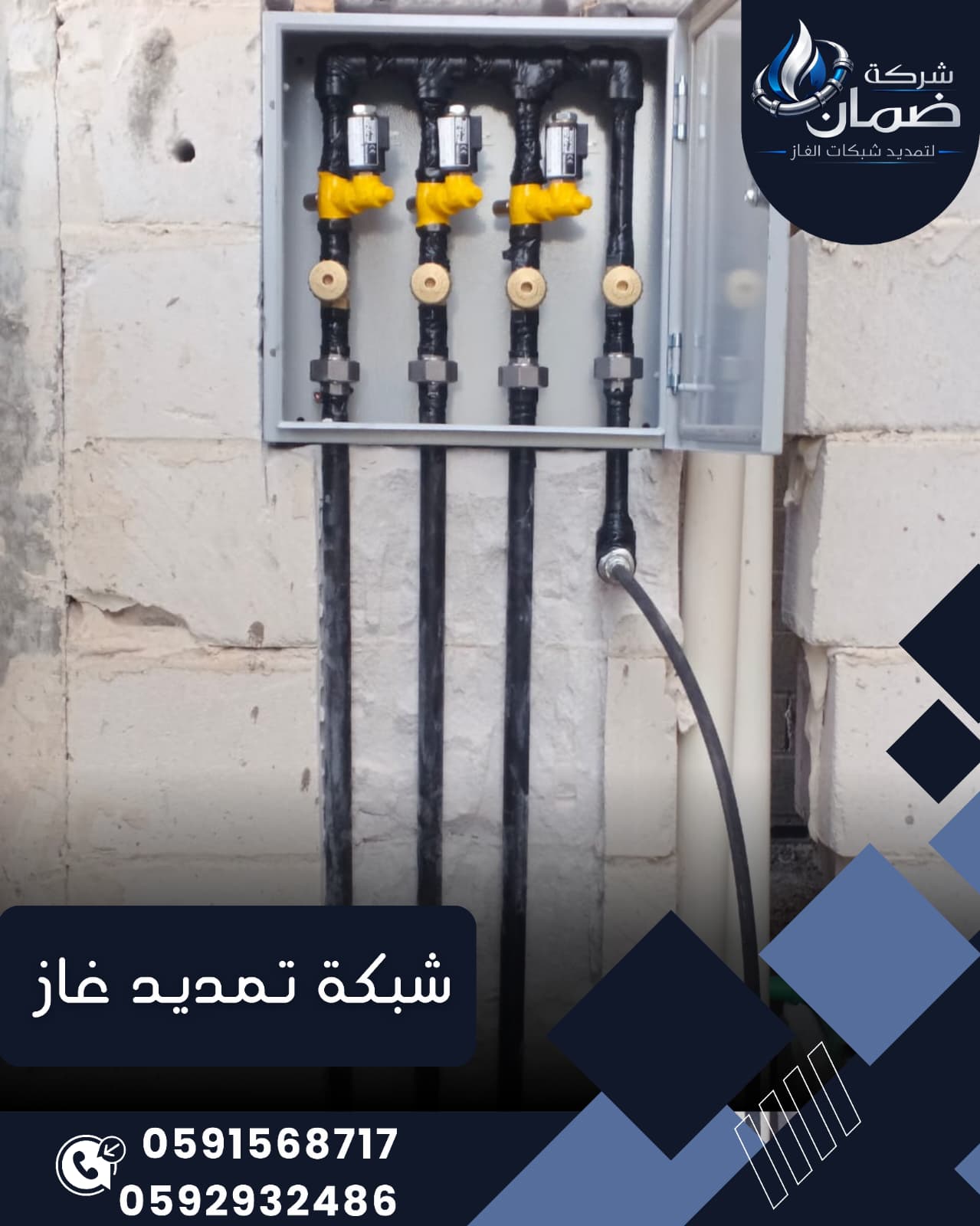
A properly designed gas network is one of the most important systems in any restaurant or commercial kitchen because it directly affects operational efficiency, workplace safety, and the overall performance of cooking equipment. Installing a commercial gas network is not simply a matter of connecting pipes. It begins with a comprehensive engineering study that evaluates the restaurant's operational requirements, the number of cooking appliances, expected gas consumption, and all applicable safety regulations in Saudi Arabia. A professionally engineered gas system significantly improves operational stability, minimizes future maintenance requirements, and simplifies regulatory approvals. Based on extensive experience in restaurant gas installations throughout Saudi Arabia, projects that begin with proper engineering design consistently deliver higher efficiency, lower operating costs, and greater long-term reliability.
Restaurant Gas Network Installation
Installing a gas network for a restaurant begins long before the first pipe is installed. The process starts with a complete engineering assessment of the building layout, kitchen configuration, appliance locations, ventilation systems, workflow requirements, and the planned location of the gas storage tank or primary gas supply. This engineering study ensures that the entire gas network is designed to maximize efficiency while maintaining safe working conditions throughout the commercial kitchen.
Based on practical experience in restaurant gas projects, selecting the correct pipeline routes is one of the most important aspects of the installation process. Gas pipes must be located away from potential hazards while remaining accessible for future inspection and maintenance. Engineers also determine the correct pipe diameters according to the calculated gas demand of each section of the network, ensuring that every appliance receives stable gas pressure even during peak operating periods when multiple cooking devices are used simultaneously.
Gas network installation extends far beyond laying pipelines. It also includes installing pressure regulators, isolation valves, safety devices, inspection ports, and testing points throughout the network. Every construction stage is followed by pressure testing and leak detection before work proceeds to the next phase. This systematic process greatly reduces the possibility of operational problems after the restaurant begins serving customers while allowing any deficiencies to be corrected before project completion.
Real-world engineering experience consistently demonstrates that investing in professional gas network design and installation from the very beginning reduces long-term maintenance costs, improves workplace safety, and guarantees stable operation for every cooking appliance installed within the restaurant.
• Complete a full engineering study before construction begins.
• Select the safest and most efficient gas pipeline routes.
• Size gas pipes according to calculated system loads.
• Install every required safety component within the gas network.
• Perform pressure testing after every construction stage.
Commercial Kitchen Gas Piping
Commercial kitchen gas piping differs significantly from residential gas installations because restaurants operate continuously for long hours while supplying fuel to numerous cooking appliances at the same time. For this reason, gas piping systems are designed according to precise engineering calculations that ensure balanced gas distribution throughout the kitchen without pressure loss during peak operating hours. Installation begins only after engineering drawings have been approved, primary and secondary gas supply points have been identified, and certified construction materials have been selected to withstand demanding commercial operating conditions.
Practical experience consistently shows that the success of commercial gas piping depends not only on material quality but also on installation accuracy. Every pipe connection, valve, branch line, and fitting must be installed according to approved engineering standards while remaining easily accessible for future inspection and maintenance. Separate isolation valves are installed for each appliance or equipment group so maintenance work can be performed without shutting down the entire gas system.
Engineers also maintain required safety clearances between gas pipelines and electrical systems, water lines, and other building services. All gas pipes are securely supported using approved mounting systems that prevent vibration and movement throughout years of operation. Once installation has been completed, comprehensive pressure testing and electronic leak detection are performed before the gas network is commissioned for the first time.
Real project experience consistently confirms that professionally installed commercial gas piping systems provide stable cooking equipment performance, reduce operational failures, and simplify routine maintenance without interrupting restaurant operations.
• Install commercial gas piping according to approved engineering drawings.
• Provide dedicated isolation valves for every operating area.
• Maintain required safety distances from other building services.
• Secure gas pipelines with approved support systems.
• Perform complete pressure and leak testing before commissioning.
Restaurant Gas Installation Company
Choosing a specialized restaurant gas installation company is one of the most important decisions affecting the long-term success of any commercial kitchen project. Professional engineering companies never begin construction immediately. Instead, they first conduct a detailed assessment of the restaurant's operational requirements, cooking equipment, daily operating schedule, and future expansion plans before designing a gas distribution system that provides maximum efficiency and complete operational safety.
Based on extensive experience in restaurant gas projects, specialized engineering companies employ qualified engineers who calculate total gas loads, determine appropriate pipe sizes, select suitable pressure regulators, and design pipeline routes that minimize pressure loss while ensuring balanced gas distribution throughout the facility. Certified technicians then complete every stage of installation under continuous engineering supervision to ensure full compliance with Saudi engineering standards.
Professional companies also continue supporting their customers after construction by providing operational testing, preventive maintenance programs, scheduled inspections, and technical support whenever system expansion or equipment upgrades become necessary. This ongoing relationship provides restaurant owners with a reliable engineering partner throughout the entire operating life of their commercial kitchen.
Real-world project experience consistently demonstrates that hiring an experienced restaurant gas installation company from the beginning saves both time and money while preventing construction errors that could delay licensing or reduce long-term system performance.
• Evaluate the project before construction begins.
• Design the gas network according to actual operating loads.
• Supervise every installation stage through qualified engineers.
• Complete operational testing before project handover.
• Provide long-term maintenance and technical support.
Gas Network Contractor in Saudi Arabia
A gas network contractor plays a vital role in transforming engineering drawings into a safe, efficient, and fully operational gas distribution system for restaurants and commercial kitchens. The contractor's responsibilities extend far beyond the physical installation of pipelines. They also coordinate with electrical, ventilation, fire protection, and mechanical contractors to ensure that every building system functions together without conflicts throughout the construction process.
Based on extensive practical experience in commercial restaurant projects, professional gas contractors strictly follow approved engineering specifications from the beginning of construction. They use certified materials, install every component according to technical standards, and follow a carefully planned construction schedule that aligns with the progress of the entire project. Every installation stage is continuously inspected to verify workmanship quality before moving to the next phase of construction.
Professional contractors are also responsible for preparing engineering documentation, pressure testing reports, inspection records, and final as-built drawings, all of which form an essential part of the project's approval documentation. Throughout construction, they coordinate closely with consulting engineers and regulatory authorities to ensure complete compliance with Saudi engineering requirements and applicable safety regulations.
Real-world project experience consistently demonstrates that contractors specializing in commercial restaurant gas systems significantly reduce construction errors while delivering gas networks capable of operating safely, efficiently, and reliably for many years.
• Install the gas network according to approved engineering drawings.
• Coordinate construction with all building disciplines.
• Use only certified materials and approved equipment.
• Prepare complete testing reports and engineering documentation.
• Maintain full compliance with Saudi engineering standards.
Restaurant Gas Network Installation Cost
The cost of installing a restaurant gas network varies from one project to another because every commercial kitchen has unique engineering requirements. Final project costs depend on several technical factors, including kitchen size, the number of cooking appliances, pipeline length, gas storage capacity, pressure regulator specifications, the number of safety valves, building configuration, and Civil Defense requirements. For this reason, professional cost estimates always begin with a detailed site inspection and engineering evaluation rather than simple price assumptions based solely on floor area.
Practical experience throughout Saudi Arabia consistently demonstrates that reducing costs by using low-quality materials or eliminating engineering design often leads to significantly higher expenses in the future. Poor-quality installations frequently require major modifications after inspections, experience increased maintenance problems, or reduce the operating efficiency of commercial cooking equipment. Investing in a professionally engineered gas system from the beginning ultimately minimizes repair costs while maximizing long-term operational reliability.
A professional installation quotation normally includes engineering design, certified materials, installation work, pressure testing, leak detection, technical documentation, commissioning, and operational guidance together with maintenance recommendations. Restaurant owners should therefore compare proposals according to the complete scope of work rather than installation price alone.
Real project experience consistently confirms that the lowest quotation rarely delivers the greatest long-term value. Proper engineering, certified equipment, and professional installation provide the safest and most economical investment throughout the life of the restaurant.
• Installation costs depend on the project's engineering requirements.
• Material quality directly affects long-term system performance.
• Professional quotations include engineering, installation, and testing.
• Avoid accepting estimates without technical evaluation.
• Request a complete engineering site inspection before approving the budget.
Commercial Kitchen Gas Network Design
Gas network design represents the most critical stage of every commercial kitchen project because it determines operational efficiency, long-term safety, and overall system reliability. The engineering design process begins by calculating the total expected gas demand before distributing loads throughout the network, selecting appropriate pipe diameters, determining pressure regulator capacity, positioning safety valves, and incorporating protective devices that ensure stable system performance.
Based on extensive engineering experience, commercial kitchen gas systems are designed to maintain constant operating pressure even when every cooking appliance operates simultaneously during peak business hours. Engineers also allow for future expansion by designing systems capable of accommodating additional equipment without requiring complete reconstruction. Pipeline routes are carefully planned to simplify inspection and maintenance while avoiding interference with other building services.
Detailed engineering drawings are then prepared showing every section of the gas network, including supply points, pipeline routes, isolation valves, regulators, testing stations, and measuring devices. These drawings provide installation teams with precise construction guidance while ensuring consistent compliance with engineering standards.
Practical experience consistently demonstrates that professionally engineered gas network designs reduce pressure loss, improve cooking equipment performance, simplify maintenance procedures, and significantly enhance workplace safety throughout commercial kitchen operations.
• Calculate total gas demand before beginning design.
• Balance gas pressure throughout the entire network.
• Prepare detailed engineering construction drawings.
• Allow capacity for future expansion.
• Design the system to simplify inspection and maintenance.
Restaurant Gas System Installation
After engineering drawings receive approval, construction proceeds according to a carefully organized installation schedule that ensures every component is installed correctly. This phase includes installing gas pipelines, pressure regulators, isolation valves, inspection points, safety devices, and all associated equipment using certified materials and qualified technicians while strictly following the approved engineering plans.
Based on practical experience in restaurant construction projects, installation is performed in carefully controlled stages. Each completed section undergoes pressure testing and inspection before work continues on the following stage. This systematic approach allows engineers to identify and correct any deficiencies immediately while preventing small problems from affecting the remainder of the project.
Throughout construction, installation teams coordinate continuously with electrical contractors, ventilation specialists, and fire protection engineers to eliminate conflicts between different building systems. After all installation work has been completed, the entire gas network undergoes pressure testing, electronic leak detection, and full operational commissioning before being handed over to the restaurant owner.
Real-world engineering experience consistently demonstrates that phased installation combined with continuous testing produces higher-quality gas systems, reduces future maintenance problems, and ensures complete readiness for regulatory approval and safe commercial operation.
• Complete construction through carefully planned installation stages.
• Test every completed section before continuing construction.
• Coordinate installation with all other building systems.
• Perform full operational commissioning before handover.
• Document every inspection and testing procedure.
Gas Network Installation Technician
A gas network installation technician is responsible for transforming engineering designs into a properly functioning gas distribution system that complies fully with approved technical standards. The technician's responsibilities extend beyond simply assembling pipelines. They include interpreting engineering drawings, using precision measuring equipment, completing professional pipe connections, and ensuring that every aspect of the installation matches the approved construction documents.
Based on extensive practical experience, installation technicians work under the supervision of qualified engineers while following strict safety procedures throughout every stage of construction. Every pipe connection, valve, fitting, and regulator is carefully inspected before pipelines are enclosed or concealed. Technicians also participate in pressure testing and final commissioning to verify that the complete gas network performs according to its original engineering design.
Professional technicians also pay close attention to workmanship quality, maintaining organized pipeline layouts and installing components in locations that simplify future maintenance without requiring extensive demolition or reconstruction. Careful installation practices improve both system appearance and long-term serviceability.
Real-world project experience consistently demonstrates that qualified installation technicians significantly reduce construction errors, extend the operational lifespan of commercial gas networks, and improve overall system reliability throughout years of continuous restaurant operation.
• Interpret engineering drawings accurately before installation.
• Follow approved safety procedures throughout construction.
• Inspect every connection before closing pipeline routes.
• Participate in pressure testing and final commissioning.
• Install components to simplify future maintenance.
Gas Installation for Central Commercial Kitchens
Central commercial kitchens operate under conditions that are significantly different from those of conventional restaurants. They serve much larger production volumes, utilize numerous high-capacity cooking appliances, and often operate continuously for extended periods throughout the day. For these reasons, central kitchens require gas distribution systems with greater capacity, enhanced reliability, and engineering designs capable of maintaining stable gas pressure during constant heavy demand. Every project begins with a comprehensive engineering study that evaluates actual gas consumption, production capacity, appliance specifications, and future expansion plans before the gas network is designed.
Based on extensive practical experience in central kitchen projects, professional engineers divide the gas network into independent operating zones whenever possible. This design allows maintenance work to be performed on one section without interrupting gas supply to the remaining production lines. Pressure regulators, isolation valves, and inspection points are strategically positioned to maximize operational flexibility while simplifying maintenance and emergency response procedures.
Engineers also determine pipeline diameters and regulator capacities using precise engineering calculations while allowing sufficient reserve capacity for future equipment additions or production increases. After construction is completed, the entire gas network undergoes pressure testing, electronic leak detection, and full operational testing under actual production loads to verify that stable gas pressure is maintained under every operating condition.
Real-world engineering experience consistently demonstrates that professionally designed gas systems for central commercial kitchens improve production efficiency, reduce energy consumption, support future expansion, and eliminate costly reconstruction as operational requirements increase.
• Design the gas network to support continuous commercial operation.
• Divide the network into independent operating zones whenever possible.
• Allow sufficient capacity for future expansion.
• Test the complete system under actual operating loads.
• Perform maintenance without shutting down the entire kitchen.
Best Gas Company for Restaurants
Selecting the best gas company for restaurants should never be based solely on price. The true value of a specialized engineering company lies in its ability to provide a complete technical solution beginning with project evaluation and ending with the delivery of a fully operational, safe, and professionally engineered gas system. Experienced companies perform engineering calculations, design efficient gas networks, coordinate with fire protection and ventilation systems, install certified equipment, and complete every required inspection before commissioning.
Guarantee Gas Company is recognized as one of the leading specialists in restaurant and commercial kitchen gas systems throughout Saudi Arabia. The company employs experienced engineers who design gas networks according to Saudi engineering standards while certified technicians complete installations using approved materials and high-quality equipment. Every project includes pressure testing, leak detection, operational commissioning, and complete technical documentation before handover.
The company's services continue long after installation through preventive maintenance programs, scheduled inspections, engineering consultations, and technical support whenever restaurants expand or introduce additional cooking equipment. This ongoing commitment enables restaurant owners to maintain safe, efficient gas systems throughout many years of operation.
Practical project experience consistently demonstrates that working with a specialized company from the earliest planning stages accelerates project approval, reduces long-term maintenance requirements, minimizes operational failures, and creates a safer working environment for employees and customers alike.
• Complete engineering design before installation begins.
• Install certified materials and approved equipment.
• Perform comprehensive pressure and leak testing.
• Provide preventive maintenance programs.
• Deliver continuous technical support after project completion.
Why Is Guarantee Gas the Best Gas Installation Company in Saudi Arabia?
Every successful restaurant begins with a professionally engineered gas network designed to provide maximum safety, efficiency, and long-term reliability. This commitment to engineering excellence has established Guarantee Gas Company as one of Saudi Arabia's leading specialists in gas system design and installation for homes, villas, restaurants, commercial kitchens, and industrial facilities.
The company follows a comprehensive engineering methodology that begins with an on-site inspection and detailed evaluation of each project's operational requirements. Engineers calculate actual gas demand, design the complete gas distribution network, select appropriate pressure regulators, safety valves, certified piping systems, and protective equipment before highly qualified technicians carry out installation under continuous engineering supervision.
Following installation, the company performs pressure testing, electronic leak detection, and complete operational commissioning while preparing all technical documentation required for inspection and regulatory approval. Beyond installation, Guarantee Gas also provides preventive maintenance programs, system upgrades, emergency technical support, and periodic inspections to ensure reliable performance throughout the operational life of every gas network.
Years of successful engineering projects, strict compliance with Saudi technical standards, and the exclusive use of certified materials have made Guarantee Gas a trusted partner for restaurant owners and commercial businesses seeking professional gas installation services that combine safety, engineering excellence, operational efficiency, and long-term reliability.
• Conduct comprehensive engineering studies before construction.
• Design gas systems according to actual operating requirements.
• Install certified equipment through qualified specialists.
• Perform pressure testing, leak detection, and commissioning before handover.
• Provide continuous maintenance and technical support after installation.
Conclusion
Installing a gas network for restaurants and commercial kitchens involves far more than connecting pipes. It is a complete engineering project requiring careful planning, precise design, professional installation, comprehensive testing, and full compliance with Saudi safety regulations. Every stage directly influences workplace safety, cooking equipment performance, operational efficiency, and the speed of obtaining regulatory approvals. By working with an experienced engineering company such as Guarantee Gas, restaurant owners receive a safe, reliable, and expandable gas network supported by long-term maintenance services and professional technical assistance that ensures years of dependable operation.
Frequently Asked Questions
How is a restaurant gas network designed?
The process begins by calculating total gas demand, identifying cooking equipment locations, designing pipeline routes, selecting pipe diameters and pressure regulators, and preparing detailed engineering drawings for the entire system.
Is a restaurant gas system different from a residential gas system?
Yes. Restaurant gas systems are engineered to support significantly higher gas loads, continuous commercial operation, additional safety devices, and specialized pressure regulation suitable for commercial cooking equipment.
How long does restaurant gas network installation take?
The installation schedule depends on the project's size, network complexity, number of cooking appliances, pipeline length, and the time required for testing, inspection, and regulatory approval.
Should the gas system be tested before operation?
Absolutely. Every commercial gas network must undergo pressure testing, electronic leak detection, and full operational commissioning before it is approved for use.
Can a restaurant gas network be expanded later?
Yes. When future expansion is considered during the original engineering design, additional equipment can often be connected without reconstructing the entire gas distribution system.
Why should I hire a specialized gas installation company?
Specialized companies provide accurate engineering design, professional installation, certified testing, regulatory compliance, and long-term maintenance that significantly reduces operational failures while improving overall safety.
Why should I choose Guarantee Gas Company?
Guarantee Gas delivers complete engineering solutions that include system design, professional installation, comprehensive testing, preventive maintenance, and ongoing technical support while maintaining full compliance with Saudi engineering standards and safety regulations.