
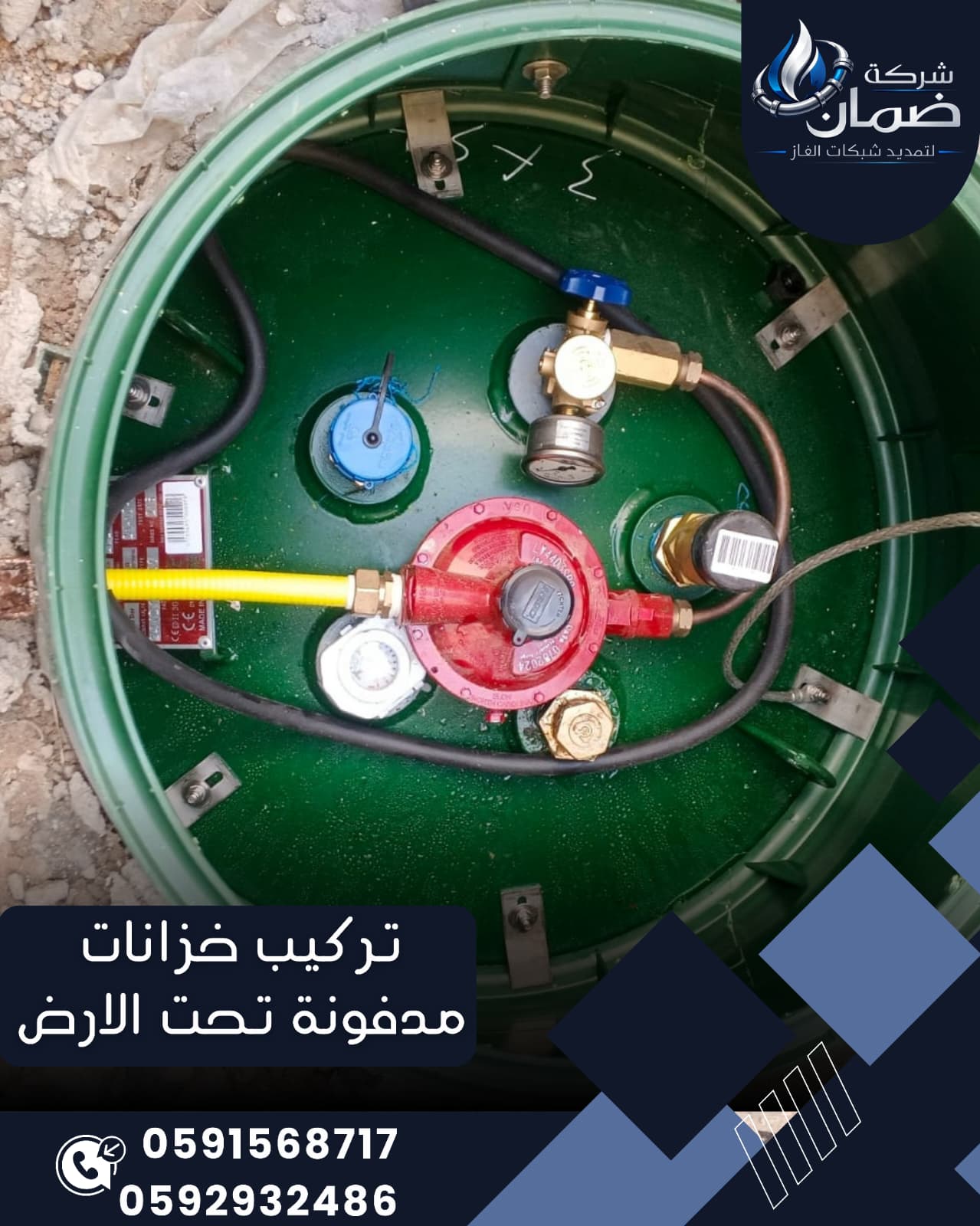
Gas Network Pressure Testing is considered one of the most essential stages in any central gas project whether for homes villas residential buildings or commercial properties. Many people believe that installing pipes alone is enough to operate the network but in reality pressure testing and ensuring there is absolutely no leakage is the most important factor for guaranteeing complete safety inside the building. Even a very small mistake during ne
twork testing may later lead to serious issues such as gas leakage or weak operational performance. For this reason professional companies rely on precise procedures and specialized devices to inspect gas extensions before operation and ensure the safety of all joints pipes and valves inside the entire system.
Gas Network Pressure Testing Method and Why It Is Necessary
The Gas Network Pressure Testing Method begins after the installation of gas extensions is completed and before gas is officially introduced into the system. The primary goal of the test is to ensure that pipes and joints can withstand operating pressure while confirming there are no leaks anywhere inside the network even if they are extremely small.
Pressure testing additionally is not considered an optional procedure but rather an essential requirement in all modern gas systems because it helps discover problems before operation and prevents future accidents or failures. Some small leaks also cannot be noticed visually but become clearly detectable during pressure testing through specialized inspection devices.
The most important objectives of gas network pressure testing
Ensuring pipe and joint safety
Detecting any leakage inside the network
Testing the network’s pressure resistance
Guaranteeing safety before operation
Reducing the possibility of future failures
Gas Network Pressure Inspection and How It Is Performed
Gas Network Pressure Inspection depends on using specialized measurement devices connected directly to the network to increase pressure and monitor its stability over a specific period of time.
Specialized technicians additionally close all gas outlets before injecting air or testing gas into the pipes while continuously monitoring pressure readings. Any drop in pressure usually indicates leakage or weakness inside one part of the network and must therefore be repaired before final operation.
The most important steps in gas network pressure inspection
Closing all network outlets
Connecting pressure measurement devices
Increasing pressure to the required level
Monitoring pressure stability carefully
Repeating the inspection after repairs if necessary
Gas Pipe Leakage Testing and the Importance of Early Detection
Gas Pipe Leakage Testing is considered one of the most critical safety procedures inside central gas systems because even small leaks may eventually develop into serious problems over time.
Some leaks additionally occur because of weak welding poor joint installation or the use of materials that do not comply with official standards. Early leak detection therefore helps protect residents and avoids major future repair costs.
The most important benefits of gas leakage testing
Preventing gas leakage risks
Protecting buildings and residents
Ensuring installation quality
Increasing network safety levels
Reducing future maintenance costs
Ensuring Gas Network Safety Before Operation
Ensuring Gas Network Safety does not depend only on pressure testing because it also includes reviewing all parts of the system and confirming the condition of valves joints and pipe routes inside the building.
Professional companies additionally inspect the network multiple times before final operation to ensure no hidden issue may affect safety or operational efficiency. Some projects also require additional testing depending on network size and building structure.
The most important steps for ensuring gas network safety
Inspecting all joints and valves
Reviewing pipe extension routes
Performing complete pressure testing
Ensuring the absence of leakage
Inspecting operation points and appliances
Residential Gas Pressure Measurement and Proper Procedures
Residential Gas Pressure Measurement depends on precise devices designed to determine whether the network operates within safe levels suitable for household appliances.
Abnormal pressure increase or decrease additionally may cause operational problems in ovens heaters and other connected appliances. Proper pressure measurement therefore helps identify technical problems early before they develop into larger failures.
The most important benefits of residential gas pressure measurement
Ensuring appliance efficiency
Detecting pressure problems early
Improving gas network performance
Reducing possible failures
Increasing home safety levels
Gas Extension Safety Testing Inside Residential Buildings
Gas Extension Safety Testing is considered a necessary step in all residential buildings especially in new projects or after performing modifications within the network.
Safety testing additionally includes checking installation quality pipe integrity valve condition and the network’s resistance against leakage and high pressure. Performing these procedures through specialists therefore guarantees maximum system safety.
The most important elements of gas extension safety testing
Inspecting extension quality
Testing pressure resistance
Ensuring valve safety
Checking connection points
Reviewing compliance with standards
Gas Extension Inspection Before Final Operation
Gas Extension Inspection Before Final Operation provides customers with greater confidence because it guarantees that the network is ready for operation without hidden problems that may appear later.
Some failures additionally only appear during actual operation which is why specialized companies perform highly accurate tests before introducing gas into the system. This stage is therefore considered one of the most important quality assurance procedures in central gas projects.
The most important steps in gas extension inspection
Testing the entire network pressure
Inspecting joints and welding points
Ensuring meter safety
Testing valves and safety systems
Confirming network readiness for operation
Gas Leak Detection Methods Using Modern Devices
Gas Leak Detection Methods have developed significantly in recent years and now rely on precise electronic devices capable of detecting even the smallest leakage percentages inside pipes and joints.
These devices additionally help technicians identify leakage locations quickly without the need for extensive dismantling or wall destruction. Modern technologies therefore reduce inspection time and improve accuracy significantly.
The most important advantages of modern gas leak detection devices
Detecting tiny leaks accurately
Identifying leakage locations quickly
Reducing the need for demolition
Improving inspection and maintenance efficiency
Enhancing overall network safety
Testing Gas Pipes in Villas and Large Buildings
Testing Gas Pipes in Villas and Large Buildings requires higher accuracy because of the long extension lines and the large number of usage points inside the network.
Villas and multi floor buildings additionally require advanced pressure tests to ensure balanced and safe gas distribution to all appliances. Weak testing procedures may therefore result in operational failures or future leakage problems.
The most important factors when testing gas pipes in large buildings
Length of extension lines
Number of connected appliances
Operating pressure level
Pipe and joint quality
Safe gas distribution throughout the building
Professional Steps for Gas Network Inspection
Professional Gas Network Inspection Steps depend on implementing organized testing procedures that ensure both network safety and operational efficiency before actual use.
Specialized companies additionally follow strict inspection standards to guarantee that even the smallest issue is discovered. Professional inspection therefore helps extend network lifespan and improves overall safety inside the building.
The most important professional gas inspection steps
Inspecting pipes and joints
Conducting pressure tests
Reviewing valves and meters
Using gas leak detection devices
Repeating testing before final operation
Central Gas Safety Testing and Why It Is Essential
Central Gas Safety Testing is considered the final and most important stage before operating the network because it determines whether the system is safe and fully ready for practical use inside homes and buildings.
Ignoring safety testing or performing it unprofessionally additionally may result in dangerous future problems regardless of the quality of pipes or appliances used. Following modern safety testing procedures therefore gives customers greater confidence in the gas system.
The most important benefits of central gas safety testing
Ensuring complete network safety
Preventing leakage and risks
Improving operational efficiency
Enhancing final project quality
Protecting residents and properties
Why Daman Gas Is Considered the Best Gas Installation Company in Saudi Arabia
When customers search for a specialized Central Gas Installation Company they are not simply looking for workers to install a gas network but for a trusted company with real experience technical expertise and the ability to execute projects with the highest levels of safety and quality. This is exactly why Daman Gas has become one of the most trusted names in the Saudi market through commitment to approved standards and the use of the best modern gas testing and extension technologies.
The company additionally relies on highly skilled technicians and engineers with genuine experience in gas network pressure testing extension inspection and leakage detection before final operation. Daman Gas also focuses on implementing all modern safety standards within every project while conducting highly accurate testing procedures to guarantee complete network safety before delivery.
The most important advantages that make Daman Gas one of the best gas installation companies in Saudi Arabia
Using advanced gas pressure testing devices
Performing accurate leakage tests before operation
Following Saudi and Gulf safety standards
Relying on specialized central gas technicians
Implementing safe gas systems for homes and villas
Providing follow up and post installation inspection services
Conclusion
Gas Network Pressure Testing and extension inspection before operation are not simply routine technical procedures but essential steps for ensuring complete safety inside homes villas and residential buildings. Even a small mistake inside the network may eventually become a serious problem if it is not discovered early through pressure and leakage testing. For this reason relying on specialized companies that use advanced devices and follow strict safety standards is considered one of the most important factors for the success of any central gas project. The more accurate the inspection process becomes the higher the network efficiency and safety levels inside the building.
Frequently Asked Questions
Why is gas network pressure testing important
Pressure testing helps detect leakage and ensures that the network can safely withstand operating pressure.
Is pressure testing necessary before operating the gas system
Yes it is considered one of the most important safety procedures in all modern gas networks.
How is gas leakage detected inside the network
Leakage is detected using electronic inspection devices or through pressure testing and monitoring stability readings.
Can the network operate without safety testing
No because ignoring safety testing may lead to dangerous future leakage problems.
What causes low gas pressure inside networks
Low pressure may occur because of leakage weak extensions or connection problems.
Are villa gas inspections different from apartment inspections
Yes villas and large buildings usually require more advanced testing procedures because of larger network sizes.
Why do customers prefer specialized gas testing companies
Because they possess advanced devices and expertise that guarantee complete network safety.